Why civilian-first innovation will drive better dual-use technologies
Imagine drones that map disaster zones today and scout military targets tomorrow. Or seismic activity sensors built for construction that go on to detect submarines underwater. These ideas represent the promise of dual-use technologies that serve both civilian and military purposes. For the first time, the European Commission is explicitly proposing to fund them through programmes such as Horizon Europe. But as we race to embrace dual-use technologies, we face a pivotal choice: continue the old model where military applications drive innovation that civilians later adopt, or turn this paradigm on its head? Technological innovation has long followed a well-trodden…This story continues at The Next Web [...]
Rating
Innovation
Pricing
Technology
Usability
We have discovered similar tools to what you are looking for. Check out our suggestions for similar AI tools.
From lab to market: Rose Rock Bridge fast-tracks energy innovation in Tulsa
Presented by Tulsa Innovation LabsAs the global energy system evolves, companies are racing to adopt technologies that can deliver real-world solutions, especially in hard-to-abate industries. Oklahom [...]
Google says Gemini 3.5 Flash can slash enterprise AI costs by more than $1 billion a year
Google unveiled Gemini 3.5 Flash at its annual I/O developer conference on Tuesday, a new artificial intelligence model that the company says shatters what had become a seemingly iron law of the AI in [...]

ASUS Zenbook Duo (2026) review: Two screens really are better than one
It takes time for novel designs to catch on. But even so, I am still wondering why the Zenbook Duo hasn't had a bigger impact on the market after ASUS released its first true dual-screen laptop t [...]

RSAC's Innovation Sandbox is where cybersecurity's next giants are born
Presented by RSACFor two decades, the RSAC Innovation Sandbox contest has been the industry's most reliable crystal ball. With over $18.1 billion in investments and more than 100 acquisitions acr [...]
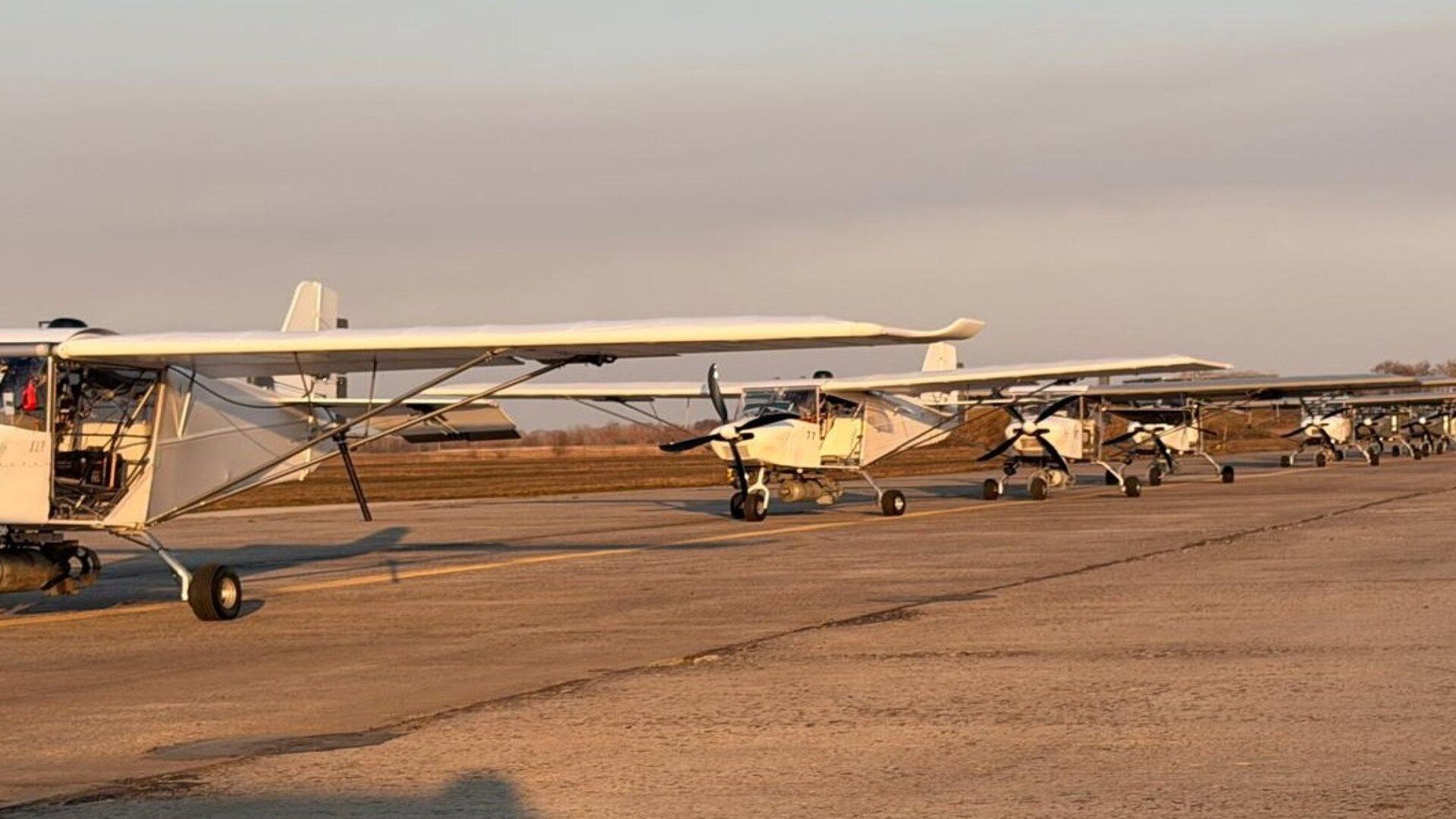
Ukraine reveals secret strike squadron of civilian planes transformed into deadly reusable drone bombers that can drop 100Kg bombs 1200 miles deep inside Russia
Ukraine revealed reusable Horynych bomber drones converted from civilian aircraft following a reported strike against Russian military infrastructure near Crimea. [...]